
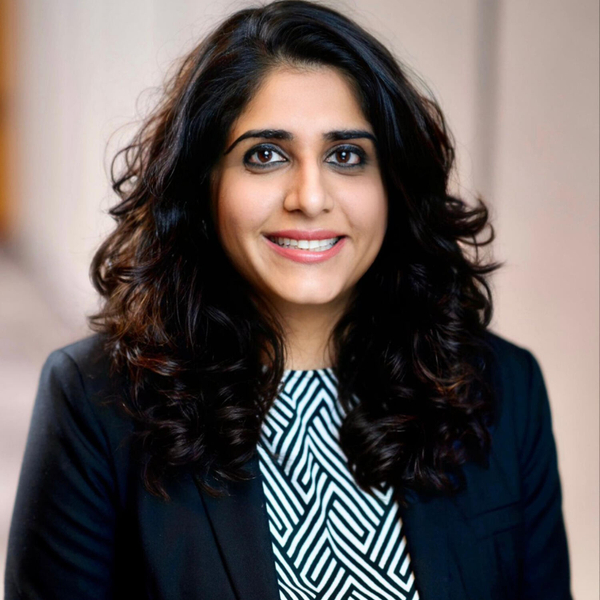
Episode 2: Dr Neelam Parmar | THE BUILDERS
- S1E2
- 1:05:36
- May 21st 2026
Most EdTech conversations about AI default to either excitement or panic. Dr Neelam Parmar does neither. She's spent nearly two decades at the implementation end of the sector — starting her PhD in 2009, just as the iPad arrived — and she knows what moves the needle and what falls off the shelf.
Dr Neelam Parmar is an EdTech consultant, researcher, and author of Digital Parenting. Her work spans multi-academy trust strategy, professional development platforms and teacher-facing AI. She advises groups across the UK and internationally on what genuine scale and impact look like when they're actually achieved together.
IN THIS EPISODE
· Why 60% teacher engagement is the threshold she uses to judge whether a platform is working — and why anything lower usually means the platform isn't the problem
· The accountability question in EdTech implementation: why it's never the platform and always a named person (director of education, IT lead), and why so few trusts have one
· The TPACK model and what happens to it in the age of AI — why content and pedagogy have collapsed into the technology layer, and what teachers now need to become literate in
· Multimodality as the learning-experience principle for AI tutoring — one-to-one visual, auditory and text interactions at a depth a thirty-child classroom can't offer
· How working with Alpha Blocks and the first wave of iPad learning shaped her thinking on dyslexia, ADHD and visual pedagogy
· The Digital Parenting contract she drew up with her own children — and why she wouldn't write a dictatorial book on it
· Her 'cautious excitement' about AI-led personalised learning, the Sugata Mitra comparison, and the hybrid and fully-AI school models already emerging internationally
· What happened inside the Department of Education EdTech leadership group during COVID — the gap between independent and state schools, and her frustration about who could deliver online and who couldn't
· The AI curriculum gap — why the UK is behind China and the Middle East on agentic AI, and her current work building a holistic digital and AI framework for schools
· Women in EdTech — her counter-intuitive answer that men have backed her career and women have been the first to shut doors
· Three international markets, two rules: trust and time travel across UAE, Southeast Asia and UK, off-the-shelf products don't
· The 'three new things a year' rule that separates progressive school leadership from stuck school leadership
· Why onboarding — not the product — is where most EdTech companies lose the school
Episode 2 opens THE BUILDERS block of Series One.
LINKS
Listen on Spotify, Apple Podcasts and everywhere via Podbean
Full episode and transcript: https://podcast.co/b2educationunpacked
EdTech Sales Mastery course: https://seventhsibling.co.uk/self-paced-courses
Website: https://seventhsibling.co.uk
B2Education Unpacked - The Education Growth Podcast
Got it. Here's the updated version:
B2Education Unpacked — The Education Growth Podcast
The gap between pitch decks and playgrounds.
Between what gets built, what gets sold, and what happens when it meets children.
Hosted by Stella James — former EdTech founder, commercial leader, and someone who's sat on both sides of the table — each episode unpacks why the gap between selling into education and succeeding in it is wider than most people admit.
Real conversations with the founders building products, the leaders buying them, the implementers dealing with the fallout, and the people asking whether any of it actually works.
If you sell into schools, lead an EdTech business, or work in education procurement — this is the show that doesn't pretend it's simple.
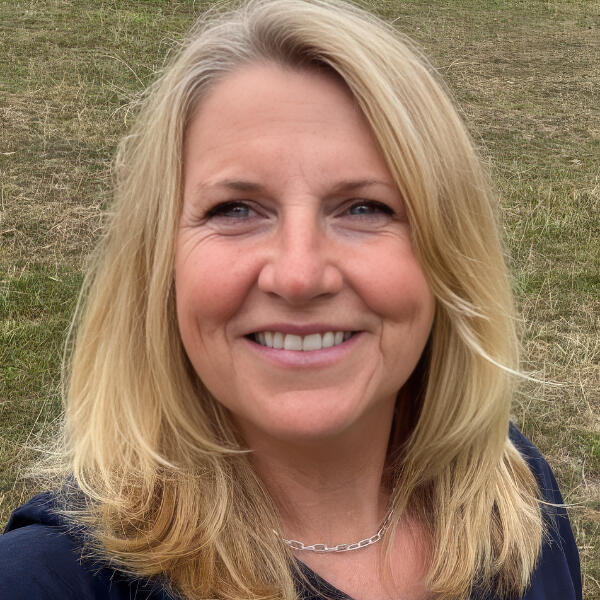
Former EdTech founder. Former CCO. Current asker of awkward questions about how we sell into schools. Stella built Gooseberry Planet, ran the commercial side at Learning Ladders (BETT Winner 2020), and now works with EdTech businesses through Seventh Sibling. She started this podcast because the gap between what gets pitched and what actually works in education is wider than most people admit — and nobody was talking about it properly.