
Personality Unraveled: Frontotemporal Dementia
- E36
- 40:08
- May 27th 2026
Could personality changes in a loved one be more than a midlife change? In this episode, we explore frontotemporal dementia (FTD), a less commonly known form of dementia that often begins between ages 45 and 65 and can be mistaken for a “mid-life crisis.” Symptoms may include disinhibition, overspending and other uncharacteristic behaviours. Ashley Sharma shares her lived experience as a young caregiver supporting her grandmother after an FTD diagnosis, while Dr. Robert Laforce, behavioural neurologist and neuropsychologist (CHU de Québec, Université Laval), explains what FTD is, how it progresses and what families need to watch for. Together, they unpack early signs, practical steps to caring for someone living with FTD and how brain-healthy behaviours may help support quality of life.
Ashley Sharma, 26, born and raised in Abbotsford, B.C., is a full-time social worker. At the age of 20, she found herself slipping into a part-time caregiver role for her grandmother, who was diagnosed with FTD.
Dr. Laforce, Behavioural Neurologist and Clinical Neuropsychologist at CHU de Québec, Université Laval. Trained in neurology and neuropsychology, he has published 200+ papers and leads international research on atypical dementias and primary progressive aphasia.
Defy Dementia – The podcast for anyone with a brain, by Baycrest
Defy Dementia is an empowering new podcast by Baycrest that is dedicated to helping you reduce your dementia risk. Join us on a captivating exploration of key dementia risk factors as we interview experts, hear inspiring stories from persons with lived experience, and share practical advice to help you optimize your aging journey. Tune in and subscribe at defydementia.org or anywhere you get your podcasts, and unlock the power to age fearlessly and defy dementia.
Each episode will be complemented by a short video, infographic, and related resources to help you take control of your brain health.
Defy Dementia is hosted by Jay Ingram (Canadian author and broadcaster) and Dr. Allison Sekuler (President and Chief Scientist, Baycrest Academy for Research and Education, and the Centre for Aging + Brain Health Innovation). The podcast is generously funded by the Public Health Agency of Canada, the Slaight family fundation and CABHI.
About Our Hosts
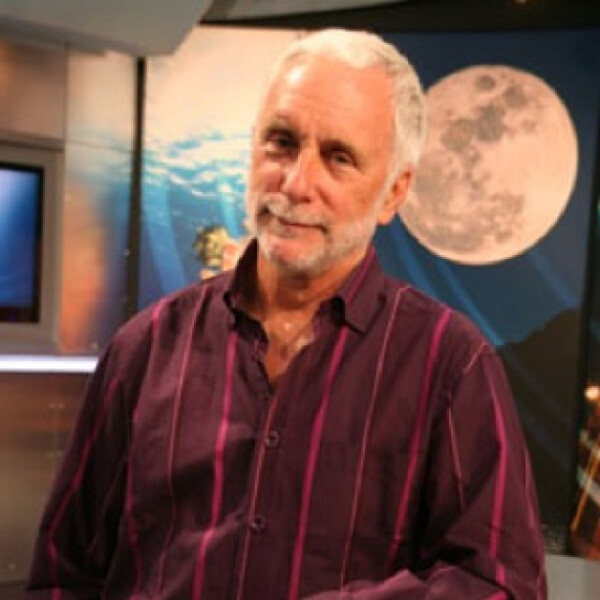
Jay Ingram has more than 40 years of experience as an author, broadcaster, and science communicator. He was co-host of Discovery Channel's science show, Daily Planet, for 16 years, and was instrumental in helping shape the program format. He also hosted CBC Radio’s Quirks and Quarks for 12 years, earning him two ACTRA Awards, and had a weekly science column in the Toronto Star for 12 years. He has written 20 books. In 1984, Jay was awarded the Sandford Fleming Medal from the Royal Canadian Institute for his efforts to popularize science, and he also earned the Royal Society of Canada’s McNeil Medal for the Public Awareness of Science in 1997. In 2000, Jay was awarded a Michael Smith Award for Science Promotion by the Natural Sciences and Engineering Research Council of Canada. He is a recipient of the Queen Elizabeth II Diamond Jubilee Medal and in 2009 he was named to The Order of Canada. In addition, he is the 2015 recipient of the Walter C. Alvarez award for medical writing given by the American Medical Writers Association.
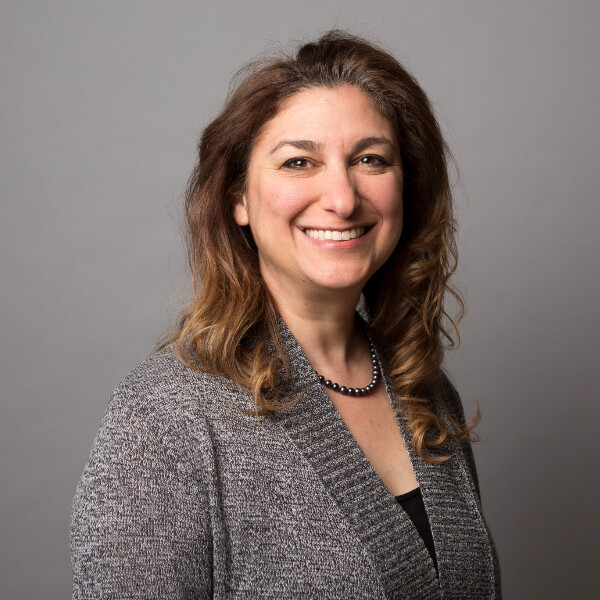
Dr. Allison Sekuler (FSEP, FPsyS, FAPS) is the Sandra A. Rotman Chair in Cognitive Neuroscience at Baycrest’s Rotman Research Institute, the President and Chief Scientist at the Baycrest Academy for Research and Education and at the Centre for Aging + Brain Health Innovation (CABHI). A graduate of Pomona College (BA, Mathematics and Psychology) and the University of California, Berkeley (PhD, Psychology), Dr. Sekuler holds faculty positions in the Department of Psychology at the University of Toronto and the Department of Psychology, Neuroscience and Behaviour at McMaster University. Her foundational research uses behavioural and neuroimaging approaches to understand perception, cognition, and the brain; and her clinical and translational research aims to develop methods to prevent, detect, and treat age-related sensory and cognitive decline. Dr. Sekuler has won numerous national and international awards for research, teaching, and leadership – including serving as the country’s first Canada Research Chair in Cognitive Neuroscience and recently being named one of WXN's Top 100 Most Powerful Women in Canada (2019).