
Have you ever wondered how your gut affects your brain? The trillions of bacteria, viruses and fungi that make up your gut microbiome do much more than help digest food. They also communicate with your brain and may play an important role in brain health.
In this episode, gut health expert Andrea Hardy and physician-researcher Dr. Thomas M. Holland explore the gut-brain connection, the science behind prebiotics and probiotics, and practical ways to support your health through fibre-rich foods, fermented foods and limiting ultra-processed foods.
Andrea Hardy
Andrea Hardy is a registered dietitian from Calgary, Canada where she runs a multi-disciplinary digestive health practice called Ignite Nutrition. She specializes in gut health and gastrointestinal diseases. She is recognized in the media as Canada’s Gut Health Expert and is passionate about translating science into ‘easy to digest’ information to support a healthy gut. She has spoken on the TEDx stage, as well as internationally about digestive health.
Dr. Thomas M. Holland
Thomas M Holland, MD, MS, is a physician-scientist, clinical educator, and nationally recognized expert in brain health and healthy aging at RUSH University Medical Center and the RUSH Institute for Healthy Aging. He serves as Director of Clinical Education for the RUSH Physician Assistant Program and Chair of the Research Core for the Center for Excellence in Aging and is currently pursuing a PhD in Health Sciences focused on neurodegenerative diseases and precision brain health. His research examines how lifestyle factors, microbiome, and medications influence neurological health, with interests spanning dementia, multiple sclerosis, and healthy aging. Since 2018, he’s served as the study clinician and medical advisor for the RUSH site of the landmark U.S. POINTER trial. Dr. Holland has authored numerous peer-reviewed publications, been featured in more than 600 media stories worldwide, and is recognized by Doximity among the top 10% of clinicians nationally for media impact and scholarly citations.
Defy Dementia – The podcast for anyone with a brain, by Baycrest
Defy Dementia is an empowering new podcast by Baycrest that is dedicated to helping you reduce your dementia risk. Join us on a captivating exploration of key dementia risk factors as we interview experts, hear inspiring stories from persons with lived experience, and share practical advice to help you optimize your aging journey. Tune in and subscribe at defydementia.org or anywhere you get your podcasts, and unlock the power to age fearlessly and defy dementia.
Each episode will be complemented by a short video, infographic, and related resources to help you take control of your brain health.
Defy Dementia is hosted by Jay Ingram (Canadian author and broadcaster) and Dr. Allison Sekuler (President and Chief Scientist, Baycrest Academy for Research and Education, and the Centre for Aging + Brain Health Innovation). The podcast is generously funded by the Public Health Agency of Canada, the Slaight family fundation and CABHI.
About Our Hosts
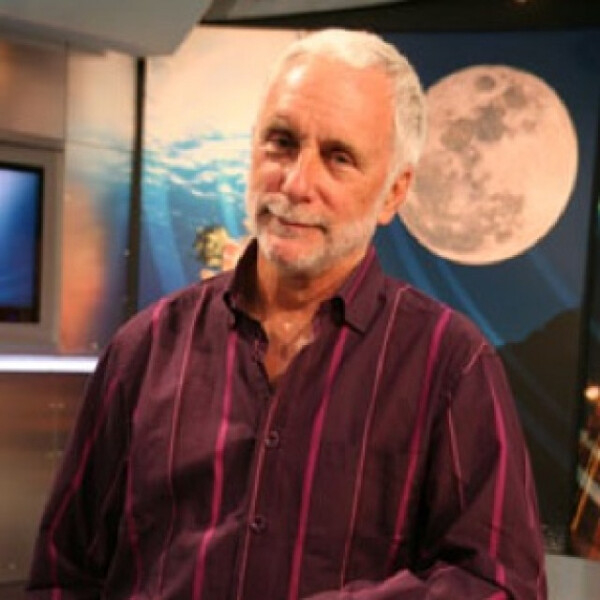
Jay Ingram has more than 40 years of experience as an author, broadcaster, and science communicator. He was co-host of Discovery Channel's science show, Daily Planet, for 16 years, and was instrumental in helping shape the program format. He also hosted CBC Radio’s Quirks and Quarks for 12 years, earning him two ACTRA Awards, and had a weekly science column in the Toronto Star for 12 years. He has written 20 books. In 1984, Jay was awarded the Sandford Fleming Medal from the Royal Canadian Institute for his efforts to popularize science, and he also earned the Royal Society of Canada’s McNeil Medal for the Public Awareness of Science in 1997. In 2000, Jay was awarded a Michael Smith Award for Science Promotion by the Natural Sciences and Engineering Research Council of Canada. He is a recipient of the Queen Elizabeth II Diamond Jubilee Medal and in 2009 he was named to The Order of Canada. In addition, he is the 2015 recipient of the Walter C. Alvarez award for medical writing given by the American Medical Writers Association.
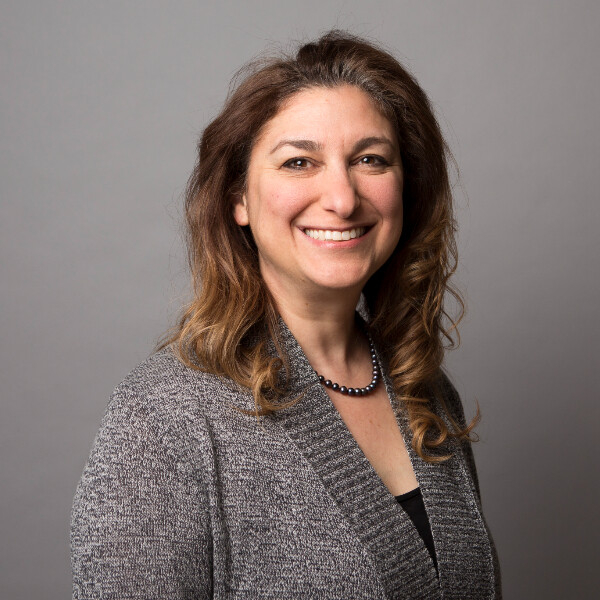
Dr. Allison Sekuler (FSEP, FPsyS, FAPS) is the Sandra A. Rotman Chair in Cognitive Neuroscience at Baycrest’s Rotman Research Institute, the President and Chief Scientist at the Baycrest Academy for Research and Education and at the Centre for Aging + Brain Health Innovation (CABHI). A graduate of Pomona College (BA, Mathematics and Psychology) and the University of California, Berkeley (PhD, Psychology), Dr. Sekuler holds faculty positions in the Department of Psychology at the University of Toronto and the Department of Psychology, Neuroscience and Behaviour at McMaster University. Her foundational research uses behavioural and neuroimaging approaches to understand perception, cognition, and the brain; and her clinical and translational research aims to develop methods to prevent, detect, and treat age-related sensory and cognitive decline. Dr. Sekuler has won numerous national and international awards for research, teaching, and leadership – including serving as the country’s first Canada Research Chair in Cognitive Neuroscience and recently being named one of WXN's Top 100 Most Powerful Women in Canada (2019).