
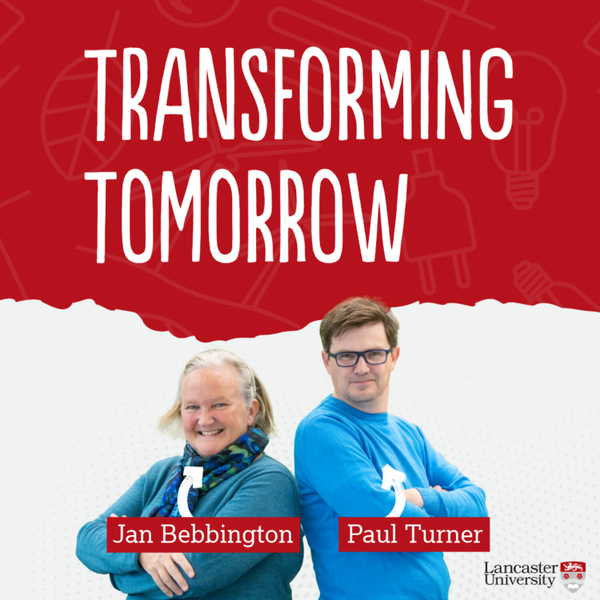
Listening to this episode can change your shopping habits!
Do supermarkets care about the planet? What actions are they taking to reduce waste? How are they changing their packaging to address the plastics problem?
The team hit the road to speak with Katie Gwynne and Jane Routh, from Plastic Packaging in People’s Lives project partners Booths, about how the supermarket chain thinks and acts around plastic packaging, and how they are looking to change their own behaviours and those of their customers.
With an ethos of ‘being the good grocers’ discover how Booths are looking to do the right thing on plastic packaging – both for their own products, and for those of their suppliers.
Discover how they have been involved with PPiPL, what they have learned from the project – and their customers, the benefits of working with the other organisations involved, how supermarkets can use their collective influence to instigate change, the shift in attitudes across the industry towards sustainability, and what comes next for them.
And do you know which is older – Booths or New Zealand? Paul makes the common mistake of thinking of post-colonial New Zealand, not when people first came to Aotearoa (the indigenous name for what became New Zealand). History is often complex. Pliny the Elder would approve of the conversation.
Read more about Booths’ involvement in the PPiPL project here: https://doc.your-brochure-online.co.uk/Lancaster-University_FiftyFourDegrees_Issue_21/26/
And see their sustainability efforts here: https://www.booths.co.uk/sustainability/
Transforming Tomorrow
Sustainability is key for any business that wants to build a lasting legacy. From carbon footprints to biodiversity to modern slavery, seabeds to factory floors, everything matters.
On Transforming Tomorrow, we make the complex understandable, the theory practical, as we guide you through the ever-changing and often exciting world of sustainability in business.
Speaking to internationally renowned experts and business leaders, we uncover how to mainstream environmental, social and economic sustainability into purposeful business strategy and performance.
Whether you are leading transition in your business, want to build a corporation with a green heart or change your individual actions, or just want to know more about how space weather might affect your operations, Transforming Tomorrow is the show for you.
Hosts Jan and Paul bring insight, perspective, and not a little amount of disagreement, to all the subjects, helping you find the message among the madness.
Join us every Monday to uncover new insights and become a little more inspired that you can make a difference.
You can find transcripts for most episodes at: https://www.lancaster.ac.uk/pentland/resources-for-education-and-practice/transforming-tomorrow-podcast/transcripts/
Send your questions on any of the issues we discuss in Transforming Tomorrow to [email protected] or fill in our feedback form here: https://forms.office.com/e/7Bw4rDiRDt
Find out more about the Pentland Centre and its work here: https://www.lancaster.ac.uk/pentland/
Meet the Hosts
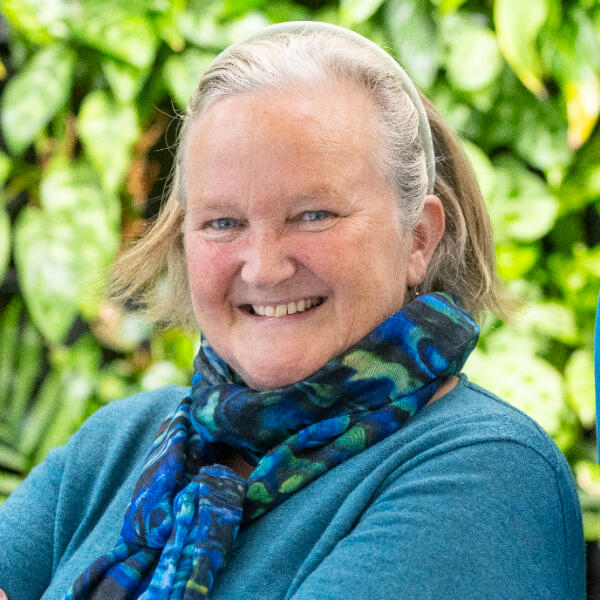
Professor Jan Bebbington is the Director of the Pentland Centre for Sustainability in Business at Lancaster University. Jan is an expert on accounting, benchmarking (to her co-host’s annoyance), and how business and sustainability intersect.
Jan loves nature and wants to protect it – and hopes she can change the world (ideally for the better). She is also motivated to address inequality wherever it is found and especially to eliminate forced, bonded or child labour. Transforming Tomorrow is one small step on that quest.

Paul Turner is a former sports journalist who now works promoting the research activities in Lancaster University Management School – a poacher turned gamekeeper as his former colleagues would have it.
Paul has always been interested in nature and the natural environment – it comes from growing up in Cumbria – and has been a vocal proponent of the work of the Pentland Centre since joining Lancaster University. He does not like rankings and benchmarking, and is not afraid to say so.