
The future is coming – who will be there to lead us into it? Some companies are operating with the future in mind, but how much and how so? What legacy will they leave behind?
Professor Nick Barter, from Griffith University, in Australia, returns to discuss the concept of generational governance – where organisations consider the next generation in their actions.
Nick tells us whether we are closer to the Future Normal being normal now, looks at how we think 30 years ahead, and reveals the importance of bringing younger people into the boardroom – and even having next generation advisory boards.
We consider existing examples of companies with future boards in place; talk about how Wales and Finland set examples for other countries to follow; wonder how we can help the next generation move in the right direction; and dig deeper into Nick’s survey of companies across the UK, Japan, and Australia, to see what it reveals about attitudes and practices around generational governance.
Plus, why is everything 5 out of 10 in Japan, how have we lost sight of the meaning of sustainability, what are the origins of Nintendo, and – possibility most importantly – how sustainable are the Moomins?
See how Wales has integrated future generations into its thinking: https://futuregenerations.wales/
Take a glimpse into the Finnish Committee for the Future: https://www.parliament.fi/EN/valiokunnat/tulevaisuusvaliokunta/Pages/default.aspx
Read about Dr Innan Sasaki’s work on ancient companies in Japan: https://www.lancaster.ac.uk/lums/research/fifty-four-degrees/old-and-crafty
And discover more about Nick’s work on his Future Normal site: https://futurenormal.net/
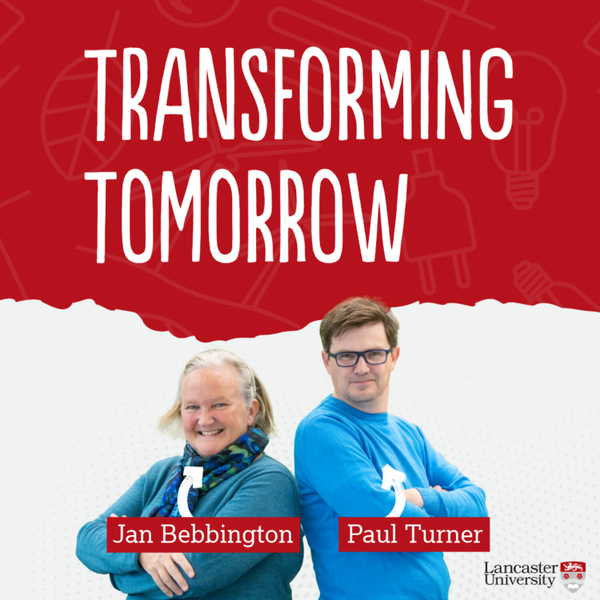
Transforming Tomorrow
Sustainability is key for any business that wants to build a lasting legacy. From carbon footprints to biodiversity to modern slavery, seabeds to factory floors, everything matters.
On Transforming Tomorrow, we make the complex understandable, the theory practical, as we guide you through the ever-changing and often exciting world of sustainability in business.
Speaking to internationally renowned experts and business leaders, we uncover how to mainstream environmental, social and economic sustainability into purposeful business strategy and performance.
Whether you are leading transition in your business, want to build a corporation with a green heart or change your individual actions, or just want to know more about how space weather might affect your operations, Transforming Tomorrow is the show for you.
Hosts Jan and Paul bring insight, perspective, and not a little amount of disagreement, to all the subjects, helping you find the message among the madness.
Join us every Monday to uncover new insights and become a little more inspired that you can make a difference.
You can find transcripts for most episodes at: https://www.lancaster.ac.uk/pentland/resources-for-education-and-practice/transforming-tomorrow-podcast/transcripts/
Send your questions on any of the issues we discuss in Transforming Tomorrow to [email protected] or fill in our feedback form here: https://forms.office.com/e/7Bw4rDiRDt
Find out more about the Pentland Centre and its work here: https://www.lancaster.ac.uk/pentland/
Meet the Hosts
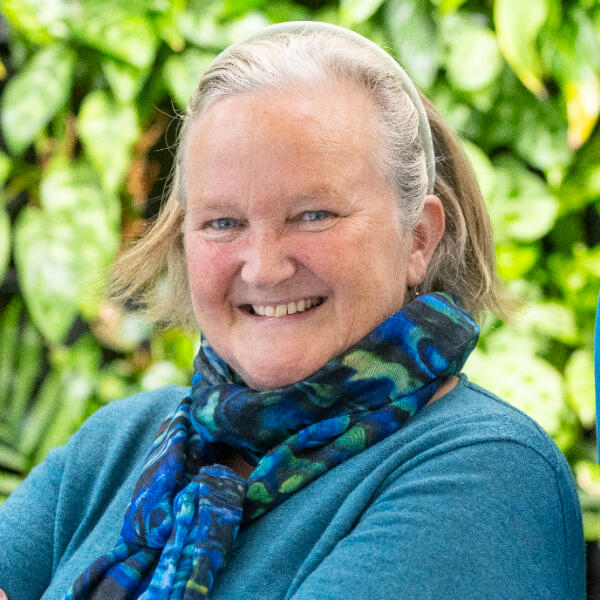
Professor Jan Bebbington is the Director of the Pentland Centre for Sustainability in Business at Lancaster University. Jan is an expert on accounting, benchmarking (to her co-host’s annoyance), and how business and sustainability intersect.
Jan loves nature and wants to protect it – and hopes she can change the world (ideally for the better). She is also motivated to address inequality wherever it is found and especially to eliminate forced, bonded or child labour. Transforming Tomorrow is one small step on that quest.

Paul Turner is a former sports journalist who now works promoting the research activities in Lancaster University Management School – a poacher turned gamekeeper as his former colleagues would have it.
Paul has always been interested in nature and the natural environment – it comes from growing up in Cumbria – and has been a vocal proponent of the work of the Pentland Centre since joining Lancaster University. He does not like rankings and benchmarking, and is not afraid to say so.